“Rashai” is the word that authorizes a strike. Whoever says it carries the outcome.
Before that word is spoken, information passes through layers of checking, doubt and human judgment. The talk follows a single decision, from the first piece of information to the moment someone says “rashai”.
It draws on real dilemmas and publicly reported events. From there it returns to a question every leadership team knows: what do we do in the space between what is permitted and what is right?
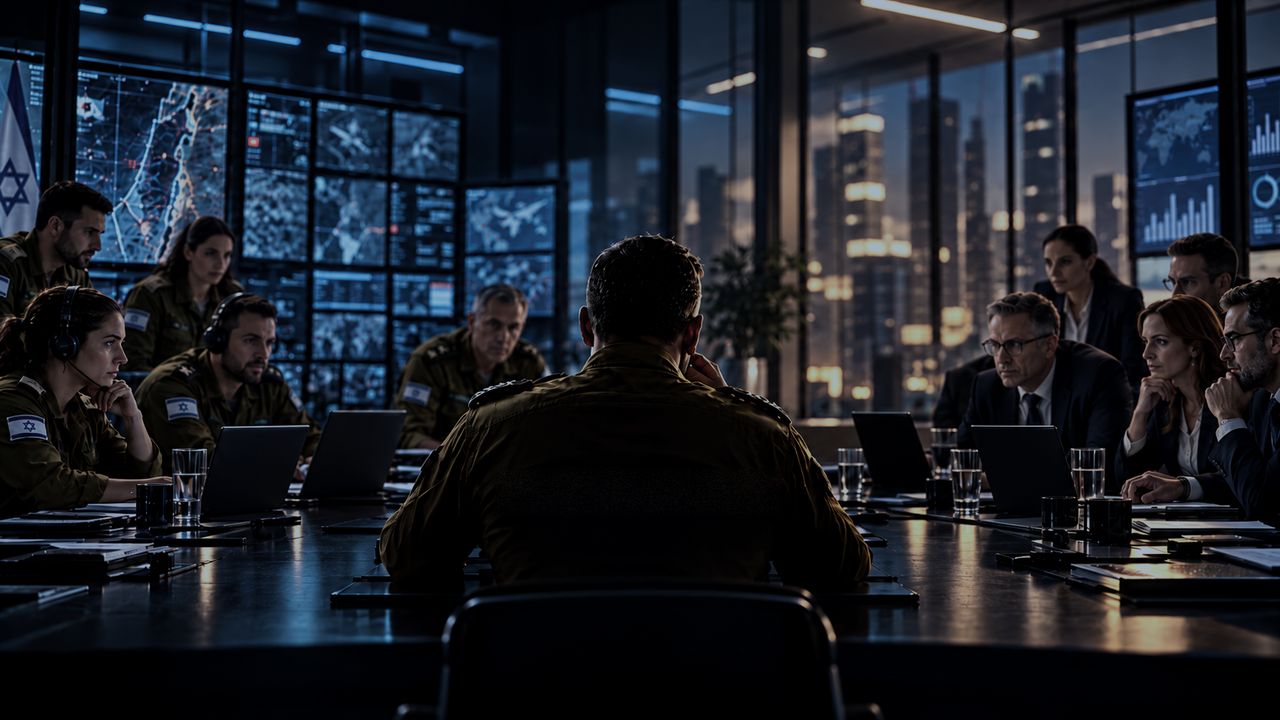
We step into the war room together, and we decide.
In this talk the audience decides too. We sit at the table where decisions are made, with the partial information and the little time available in that moment, and we choose.
How information becomes a decision: who checks, who challenges, and who finally says “rashai”.
Cases based on publicly reported events, stopped at the exact point where a call has to be made.
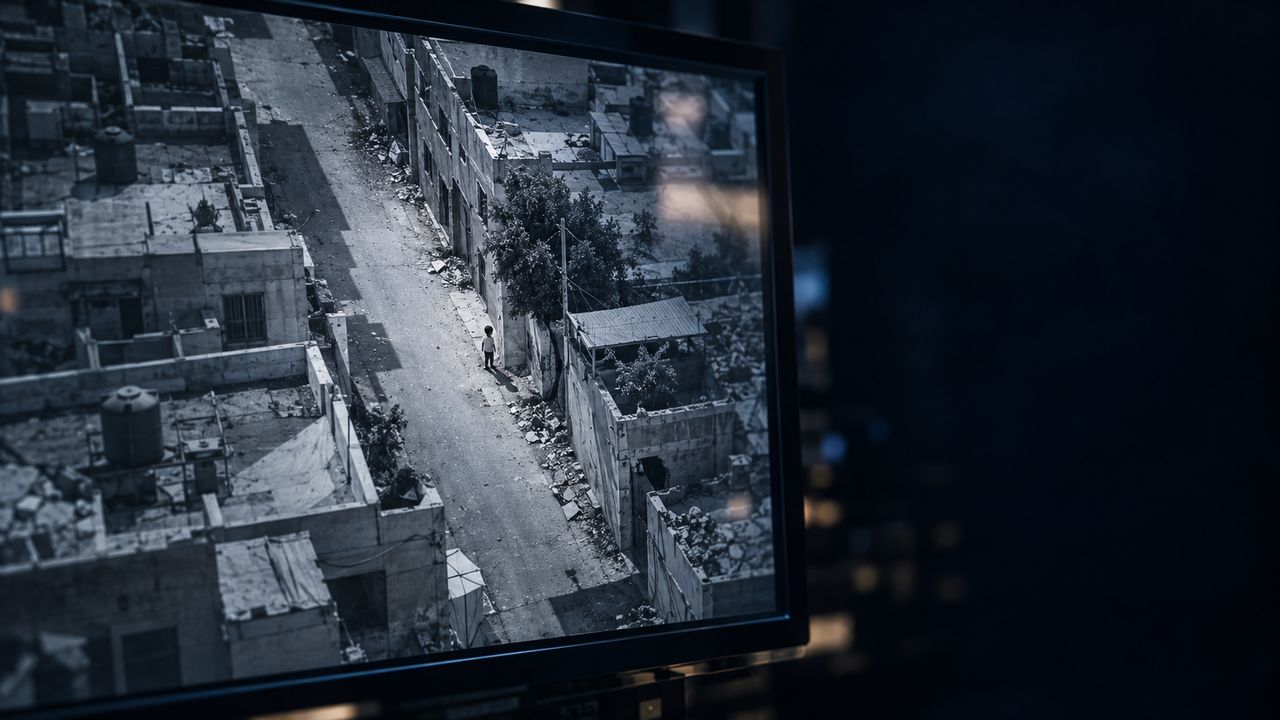
Strike, strike differently, or hold fire. The audience votes, and only then do we learn what was actually decided, and why.
What it says about us: trust and doubt within a team, who may say stop, and the cost of a decision we did not make.

Little time. Partial information. Wide impact.
The conditions under which decisions are made in the war room are the same ones we meet at the leadership table. In this talk we learn to make better decisions, through the lens of the war room.
Not everything we can do by forceare we authorized to do.And not everything we are authorized to dois right to do.
A pilot trusts the mechanic and does not check every bolt. And still, every layer challenges the one before it and asks show me how you reached that conclusion
. How to build a team that trusts and never stops checking.
A single word can stop a strike, whether it comes from a general or from a 19-year-old soldier. What has to happen in our organizations so that even a junior person feels free to say stop.
Not acting, acting differently, or acting now. Each option has a cost, and so does inaction. Public debate usually sees only the cost of acting.


The events presented in the talk were publicly reported. The talk does not deal with classified matters, and the dilemmas are presented as conceptual cases. Some images were created with AI.